The Proven Workcation Framework: How to Run Your Business From a Luxury Outdoor Resort
Your team does not need another conference room with beige walls, weak coffee, and a laminated sign reminding everyone to silence their phones.
They need focus.
They need better conversations.
And, occasionally, they need to settle a fiercely contested pickleball match before the next strategy session.
That is the appeal of a workcation at a luxury outdoor resort. You can move the business forward without trapping your team in the same setting that caused the problems in the first place. The key is structure. A workcation should not become an expensive vacation with laptops open. It should function as a temporary headquarters: one with fresh air, comfortable accommodations, high-speed Wi-Fi, and enough recreation to reset the room when energy drops.
Here is the proven framework.
1. Start With the Business Problem: not the Scenery
The view is not the strategy.
Before comparing corporate retreat locations, define what the team must accomplish. Pick two or three outcomes. Any more than that and you are building a conference schedule, not a focused retreat.
Strong workcation goals include:
- Setting priorities for the next quarter
- Solving a specific operational bottleneck
- Improving communication between departments
- Launching a new product or initiative
- Building trust after a period of rapid growth
- Creating a clearer leadership or succession plan
Write the outcomes down before you book.
Then attach a measure to each one. For example, a strategy retreat might end with three approved priorities, named owners, and deadlines. A team alignment retreat might focus on documented process improvements and fewer handoff delays.
Do not confuse activity with progress.
A full calendar can look impressive while producing very little. Design every session around a decision, a deliverable, or a relationship that needs strengthening.
2. Treat Connectivity Like Office Infrastructure
A luxury outdoor resort only works for business if your team can actually do business there.
That means high-speed Wi-Fi is not a bonus. It is the foundation.
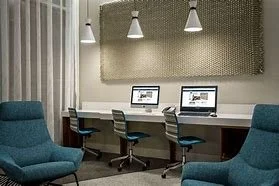
At Glamp Life Resort, the business center provides a dedicated place to work with reliable wireless internet access. It gives guests a practical alternative to working from an accommodation when the team needs a more formal environment, a shared work area, or a quiet place to handle time-sensitive responsibilities.
Before your group arrives, establish a basic connectivity checklist:
- Confirm Wi-Fi coverage in the business center and accommodations
- Identify the best location for video calls and presentations
- Test the connection during the hours your team will work
- Bring mobile hotspots for essential backup access
- Confirm charging access for laptops, phones, and presentation equipment
- Share a communication plan for remote participants
- Assign one person to handle technology and schedule changes
Do this before the first meeting: not while twelve people are waiting for someone to find the password.
The goal is simple: your team should be able to work from the resort without feeling like they have left the grid.
3. Choose Accommodations That Support Focus
Your accommodation is part of the work environment.
A cramped room makes long workdays harder. A comfortable, private space gives people somewhere to prepare, decompress, and handle individual tasks between group sessions.
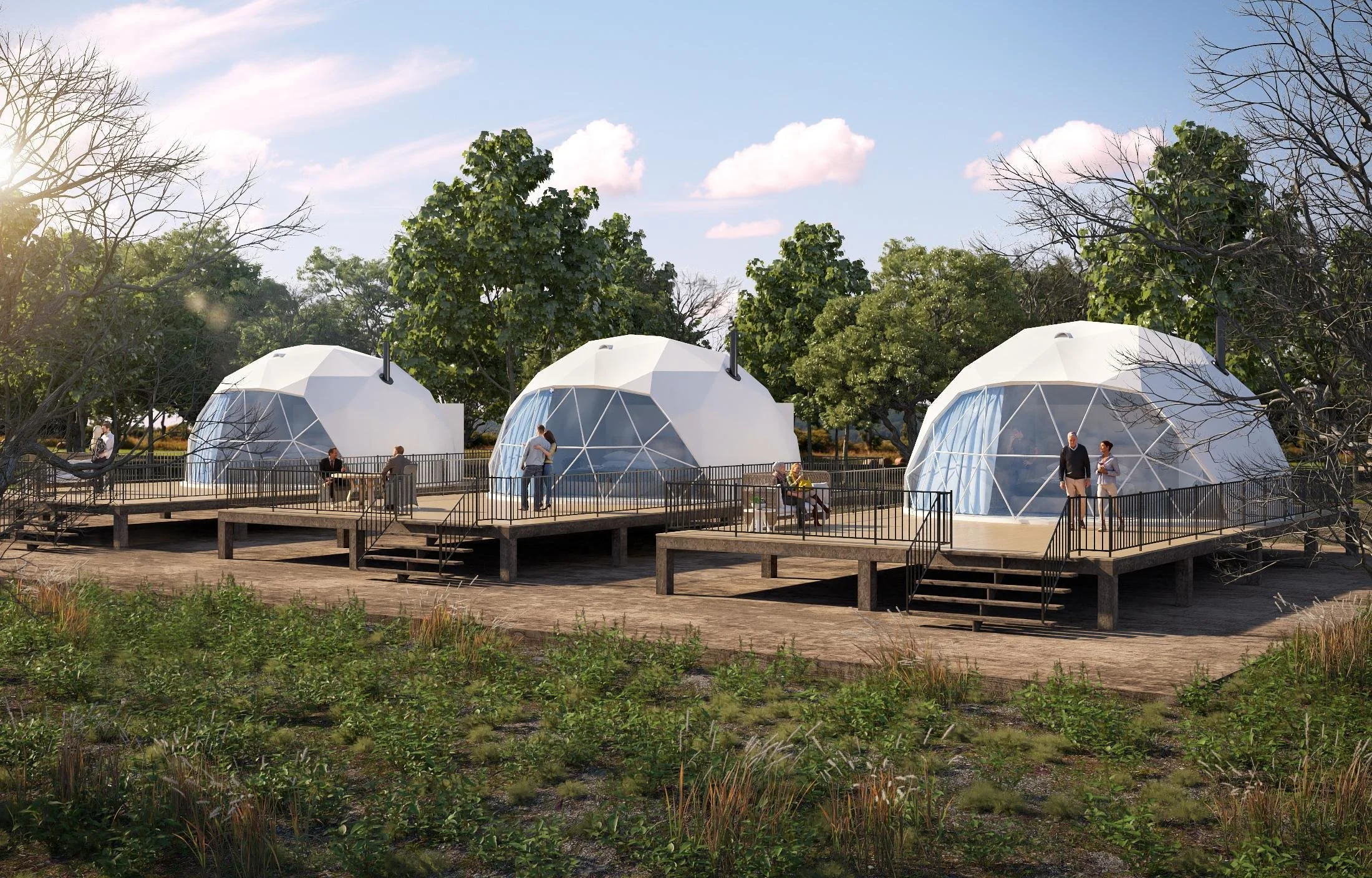
Glamp Life Resort’s workcation-friendly accommodations include Glamorous Domes and Luxurious Yurts, giving teams a more comfortable way to stay close to nature without asking anyone to sacrifice the basics. The resort’s broader accommodation lineup also includes Fabulous Tee-Pees and safari-style lodging options, allowing planners to create a stay that fits the group and the occasion.
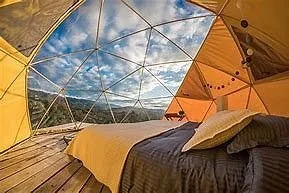
Use the accommodations strategically:
- Give leaders and presenters quiet spaces to prepare
- Group colleagues together when collaboration matters
- Protect private time for employees who need to recharge
- Confirm sleeping arrangements well before arrival
- Build short transitions between lodging, meetings, meals, and activities
- Encourage guests to use their space for focused work: not every meeting needs an audience
The best corporate retreat locations make it easy to shift between concentration and connection. You should not need a shuttle, a spreadsheet, and a minor miracle to get from breakfast to the first session.
4. Build a Workcation Day That Alternates Energy
Long meetings drain people. Constant recreation creates its own kind of avoidance.
The answer is rhythm.
Alternate focused work with movement, informal conversation, and genuine downtime. A practical workcation day might look like this:
Morning: Make the Important Decisions
Start with the work that requires the most attention.
- Breakfast and informal check-in
- A short leadership update
- A focused strategy workshop
- Cross-functional problem-solving
- A defined decision or deliverable before lunch
Keep sessions tight. Use a visible agenda. End each block by documenting what was decided, who owns the next step, and when it is due.
Afternoon: Move the Team, Then Move the Work Forward
After lunch, energy usually dips. This is where the resort setting earns its keep.
Schedule a team activity, then follow it with a smaller working session. The physical reset changes the tone of the conversation. People return less guarded, more alert, and often more willing to contribute.
At Glamp Life Resort, your group can choose from activities such as:
- Pickleball
- Basketball
- Kayaking
- Mini golf
- Ping pong
- Pool
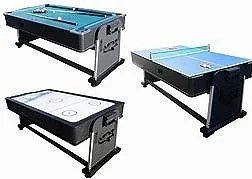
- Air hockey
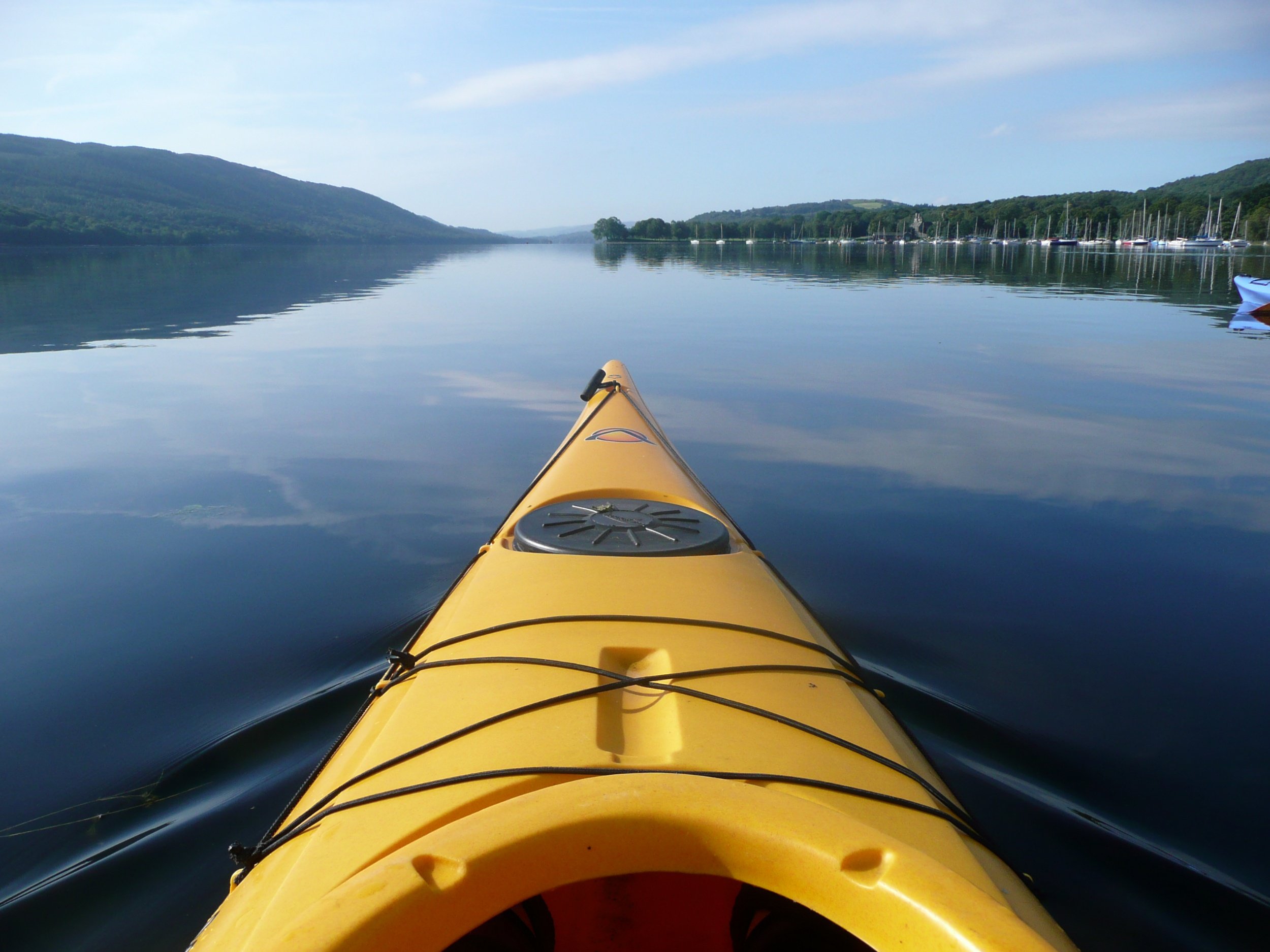
You do not need to turn every activity into a leadership lesson. Sometimes the best team-building is simply giving people a chance to compete, laugh, and interact outside their usual roles.
Evening: Leave Room for the Unplanned
Protect unstructured time.
A fireside conversation, a casual dinner, or a quiet walk can produce more useful insight than another forced icebreaker. Let people choose how they spend part of the evening. Adults can socialize without a facilitator holding a clipboard.
5. Match Activities to the Team’s Needs
Not every group wants the same experience. That is why a strong workcation plan offers variety instead of prescribing one “perfect” activity.
Pickleball creates easy competition and works well for mixed experience levels. Basketball gives an energetic group a straightforward challenge. Kayaking slows the pace and creates space for quieter conversations. Mini golf is accessible, social, and low pressure.

For indoor options, pool, ping pong, and air hockey keep the group engaged when weather changes or when some guests prefer a less strenuous activity.
Use a simple rule: offer choices, make participation easy, and never confuse discomfort with growth.
If your team is competitive, organize a casual tournament. If your team is tired, create open recreation time. If the goal is cross-department interaction, mix teams deliberately: but do not over-engineer every moment.
6. Keep Remote Operations Running
A workcation should improve the business, not create a backlog that welcomes everyone home.
Decide in advance what continues normally:
- Daily standups
- Client calls
- Customer support
- Leadership approvals
- Emergency communication
- Time-zone-sensitive meetings
- Remote participation in key sessions
Use the business center for formal calls and shared work. Use accommodations for focused individual tasks. Keep the most important meetings on their usual schedule whenever possible.
For hybrid teams, test the video setup before the first major session. Remote participants should not be treated like an afterthought appearing in a tiny square on the wall. Give them a clear agenda, a reliable connection, and a defined role in the discussion.
7. Finish With Owners, Deadlines, and Follow-Through
The retreat is not finished when the last game ends.
Before departure, review every major decision and assign:
- One owner
- One next action
- One deadline
- One measure of success
Schedule follow-up meetings for 30, 60, and 90 days after the workcation. Ask what changed. Track which decisions moved forward and which ones stalled.
This step separates a useful workcation from a well-photographed interruption.
Why Glamp Life Resort Belongs on Your Shortlist
The strongest corporate retreat locations combine practical infrastructure with experiences people will remember. Glamp Life Resort brings those elements together in Anza, California, with comfortable glamping accommodations, a dedicated business center, high-speed Wi-Fi, outdoor recreation, indoor games, and space for teams to work, reconnect, and reset.
The resort is also preparing for its grand opening in March 2027 and is currently taking reservations. Learn more about the property and its amenities on the Glamp Life Resort home page, explore the resort’s company ethos and facilities, or contact the team to discuss corporate event packages.
A productive retreat does not require choosing between business and nature.
Choose the right structure, and you get both.